Whether you’re a nature enthusiast, a history buff, or simply seeking a peaceful escape from the hustle and bustle of everyday life, a visit to Chartwell National Trust will tick all the boxes. Chartwell is situated near the village of Westerham in Kent, and it’s certainly a gem worth visiting.
Chartwell holds a special place in history, as it was once the home of one of Britain’s most iconic figures, former Prime Minister Sir Winston Churchill. He lived there from 1922 until his death in 1965. Chartwell played a significant role in shaping his political career and he found solace, inspiration, and privacy there during his time out of office.

The house at Chartwell is a beautiful example of the 19th-century country house style. It features a mix of Tudor and Victorian architecture, with distinctive chimneys, mullioned windows, and warm red brickwork. It’s crazy to think Churchill purchased the place for just £5,000! You can step into his shoes as you explore the rooms and corridors that once echoed with his presence.
One of the highlights of a visit to Chartwell is the opportunity to explore his studio. This intimate space served as his creative sanctuary, where he would paint, write, and reflect. Although he never considered himself a professional artist, he produced over 550 known canvases. The studio remains preserved as it was during Churchill’s time, allowing visitors to experience his life and legacy first-hand.
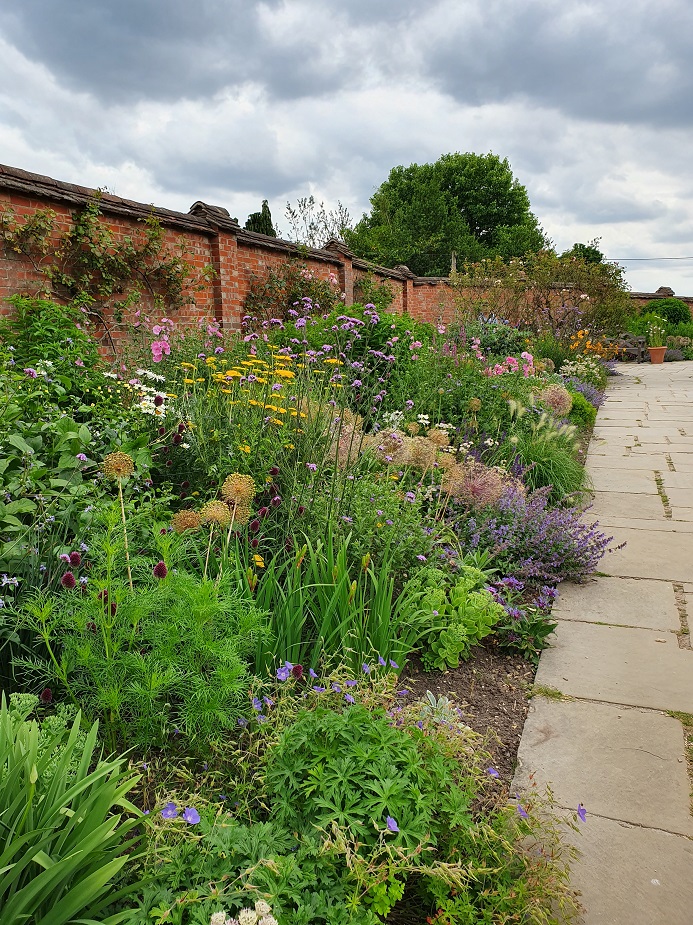
One of the most captivating features of Chartwell National Trust is its breathtaking gardens. If you’ve looked through my blog before, you’ll know that visiting gardens is one of my favourite things! The gardens were a labour of love for Churchill, who was an avid gardener and took great pleasure in nurturing them.

The Walled Garden is a working kitchen garden, with walls built by Churchill himself. Fruit and vegetables grown here were used at 10 Downing Street. The formal Rose Garden was designed by Lady Clementine Churchill, whilst a walk to the farthest part of the gardens is well worth it for the Golden Rose Avenue that awaits you. This avenue, pictured above, is full of colour and fragrance, with catmint (Nepeta) adorning the borders. Look out for the plinth inscribed ‘Here lies the Bali Dove’, Clementine’s beloved pet dove that she brought to Chartwell from Bali in 1936.
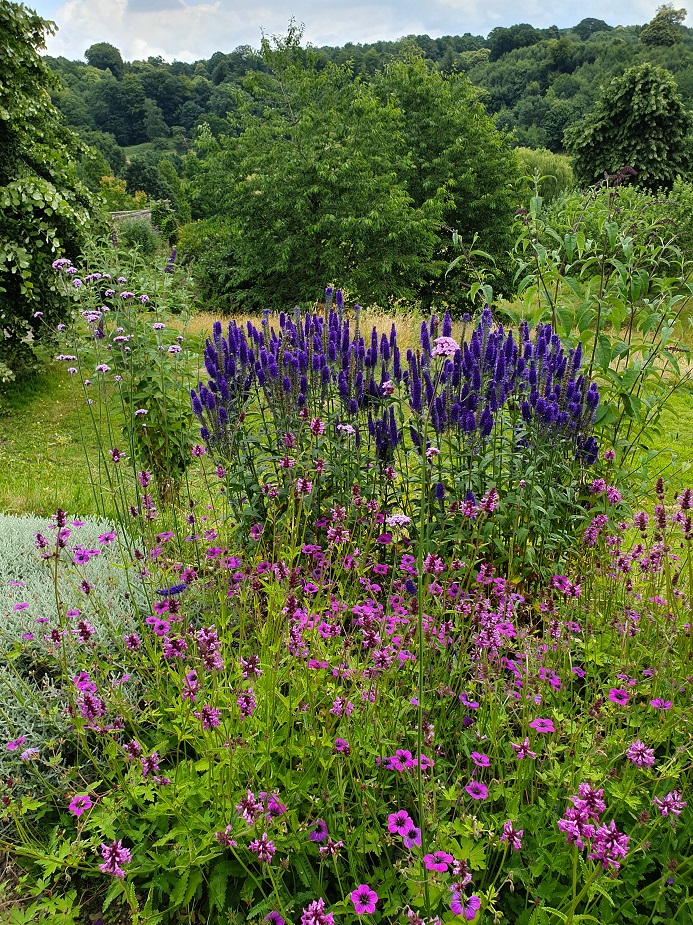
Beyond its historical significance and the well-tended gardens, Chartwell is nestled amidst the rolling hills of the countryside. You can follow the scenic woodland trails and be rewarded with far-stretching views of the Weald of Kent, and there’s even a spot where you can look down on the house and see it from a different perspective. Dogs are free to roam off the lead on the woodland trails, but they must be kept on a lead in the formal gardens.

As well as the variety of plants and flowers to see, there is also the opportunity to spot plenty of wildlife. Black swans, originally native to Australia, were gifted to Churchill in the 1920s and can still be found on-site today. A frequent visitor is the grey heron, which likes to find its meals in the ponds and lake on the grounds.
Churchill was also very keen on bees and butterflies. There are six beehives in the private orchard tended to by trained volunteers and some feral bee colonies living out in the woodland. Butterflies are encouraged to the gardens with the long path between the pet cemetery and the house called the butterfly border.
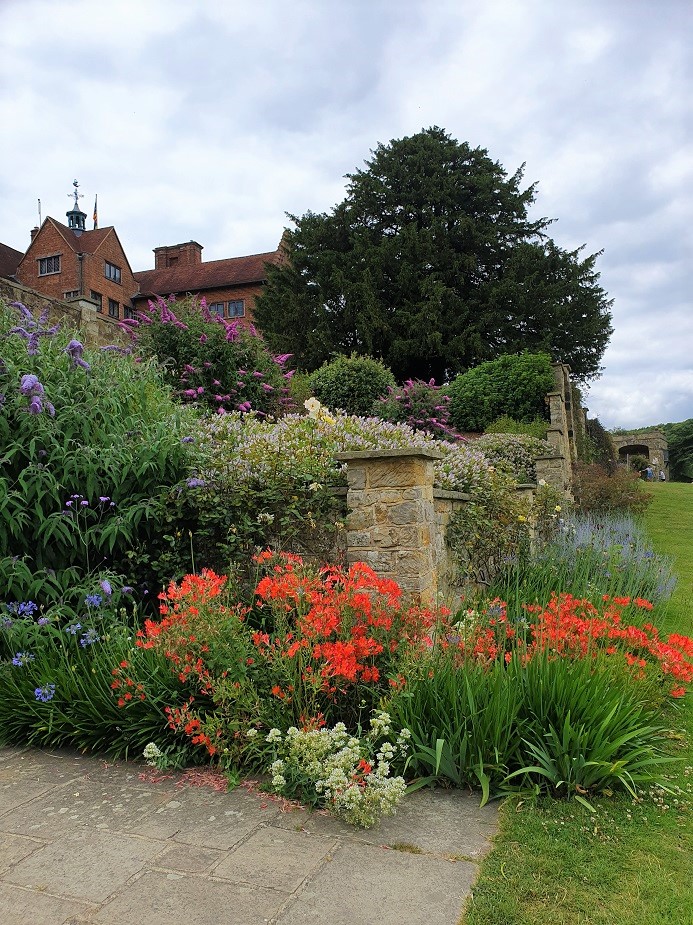
As already alluded to in this post, Chartwell is managed by the National Trust, which is dedicated to preserving and protecting Britain’s natural and cultural heritage. There are several knowledgeable staff and volunteers on-site who are passionate about sharing the history and significance of Chartwell. It was in 1946 that Churchill decided to give Chartwell to the National Trust with the condition that he and his wife, Clementine, could continue to live there until their deaths.
Chartwell is not just a destination for history and nature enthusiasts, it offers a wide range of events and activities throughout the year too. From exhibitions to workshops and family-friendly activities, it’s worth checking the events calendar before your visit to ensure you don’t miss out on any unique experiences that may be taking place.
So, whether you’re fascinated by the life and legacy of Sir Winston Churchill, or are simply yearning for a day in the countryside, Chartwell National Trust is certainly worth the trip. The easiest way to get there is by car, as it’s fairly remote with no nearby transport links. The car park costs £4 and is a decent size but does get busy in the summer months.
Chartwell FAQs (2026)
Dogs are welcome in the gardens at Chartwell, provided they are kept on a short lead. They are also allowed in the shop, the cafe’s outdoor seating area, and the extensive woodland walks on the estate. The only areas that remain strictly no dogs (except for assistance dogs) are the house and the studio.
Yes. You can purchase a cheaper “Gardens and Studio only” ticket which is what we did as we had our dog with us.
Driving takes about an hour and there is parking on-site. Public transport is longer as there are no train stations nearby (the house is in the countryside). You can get the train to Edenbridge (4 miles away), Oxted (6 miles away), Sevenoaks (6 miles away) and then a taxi onward from there. There is a bus (246) that takes you about a 15 mins walk away but the walk is along a country lane with no pavements so I wouldn’t recommend it.
Yes, the Landemare Café. It is named after the surname of the Churchills’ long-serving cook. They often using produce grown in Chartwell’s own kitchen garden.
Churchill was a huge fan of ginger cats. His final request was that there should always be a ginger cat with a white bib and four white socks living at Chartwell and being well-looked after! The current resident is usually named Jock (currently Jock VII), and you’ll likely spot him lounging in the house or gardens.
Yes. Chartwell houses the largest collection of Churchill’s paintings in the world. Many are displayed in the studio, which is located in the gardens away from the main house. It shows a much more relaxed, artistic side of his personality.

Sophie is a freelance writer and editor, and the founder of Britain and Beyond.
