Sudeley Castle and Gardens are located in the parish of Sudeley in the heart of the Cotswolds, a region of rolling hills and charming countryside in south west England. This magnificent fortress dates back to the 15th century, and has played an important role in the history of the country. It’s the only private castle in England to have a queen buried within the grounds – Queen Katherine Parr, the last and surviving wife of King Henry VIII.
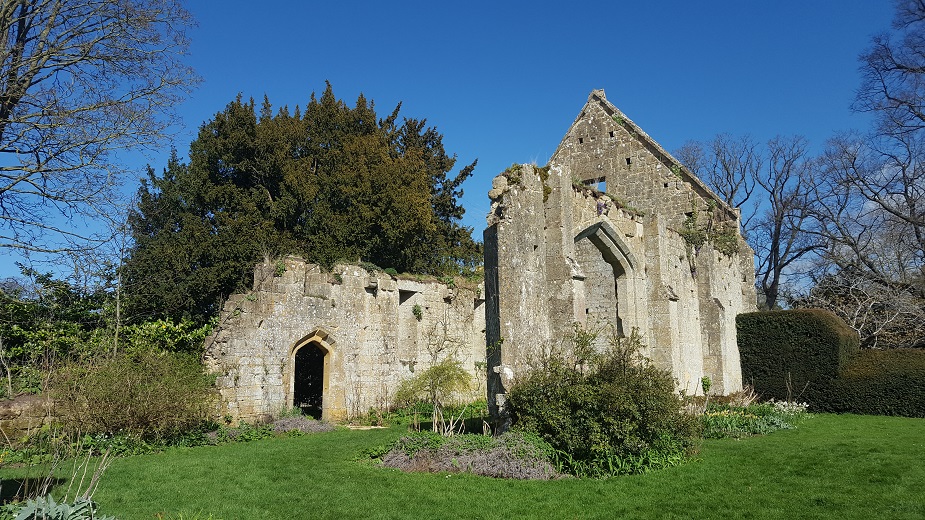
When you first arrive at Sudeley Castle, there’s a short walk to the castle itself. But this is no ordinary walk. There’s grassy lawns, ancient ruins, and fantastic views across unspoilt Cotswolds countryside. It gives you a better understanding of the scale of Sudeley Castle and Gardens – there are 10 distinct gardens covering around 15 acres, within a wider 1,200-acre estate.

Great Tithe Barn Garden
One of the first gardens you’ll come across is the Great Tithe Barn Garden. The barn dates back to the 15th century and was one of the original Sudeley buildings. Unfortunately it was partly destroyed in the Cromwell Civil War (1642-1652). However, the ruins now make for a beautiful garden next to a koi carp pond and provide a spectacular view of the castle (pictured below).
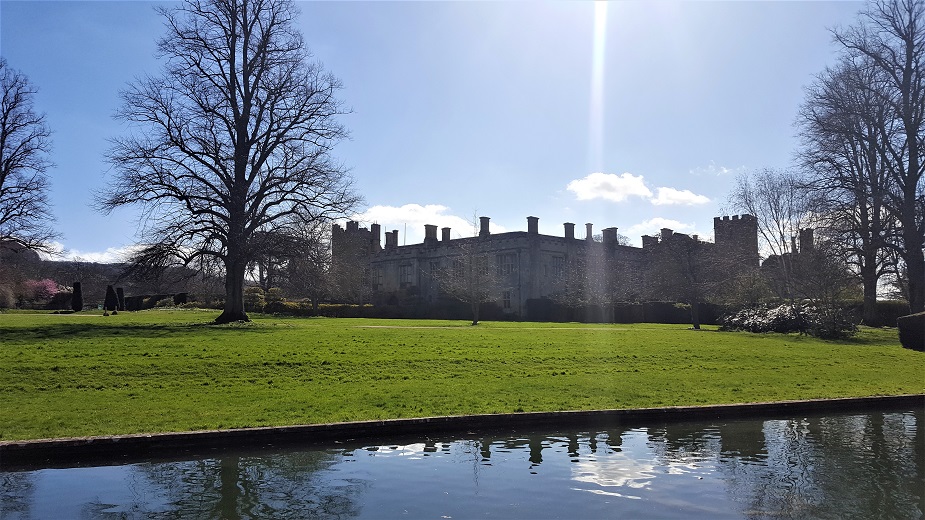
One of the most notable attractions of the Grade I listed Sudeley Castle is its impressive architecture, as it reflects a range of different styles and periods. You can explore the castle’s Tudor, Gothic, and Victorian sections, each of which offers a unique glimpse into the castle’s rich history and cultural heritage.
The castle is also home to a range of art and historical collections, including a collection of 16th-century Flemish tapestries and a series of portraits of the castle’s famous past residents. These include King Edward IV, King Richard III, King Henry VIII (plus his wife, Anne Boleyn and later, Katherine Parr) and King Charles I.
Banqueting Hall ruins
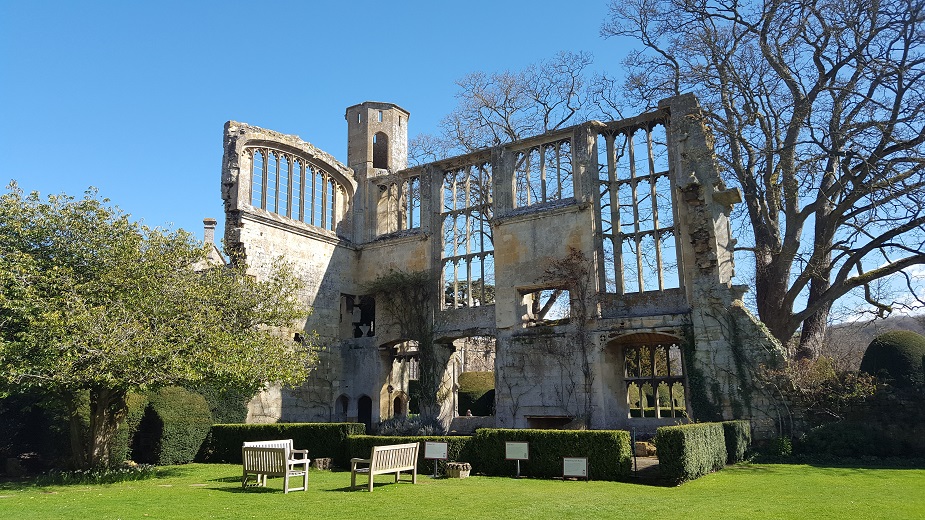
The Banqueting Hall ruins were my personal favourite part of Sudeley Castle and Gardens. This great hall would have been built to the latest fashion of its time. The ground floor would have been used for feasting and meeting guests, whilst the upper hall would have been kept specifically for the king and his special guests.
Recent restoration work to the ruins meant that workers found historic graffiti inside the stairwell of the octagon tower. The carvings, some of which go back up to 300 years, include “T.W 1757”, “WG 1758”, and even “J Mince Pie”. A number of names appear repeatedly, including “E Moobe, 1815” and “T.Boodle, March 1826.”

The Queen’s Garden
The Queen’s Garden has great views of the old Banqueting Hall. It is split into four sections, representing four of England’s Queens – Anne Boleyn, Katherine Parr, Lady Jane Grey, and Elizabeth I. It would have looked different in Tudor times, planted with herbs and vegetables as well as some decorative flowers. Nowadays it boasts more than 80 varieties of roses. Sadly these weren’t in full bloom yet as I visited in March but if you visit in summertime you’ll get to enjoy the full display.
St Mary’s Church
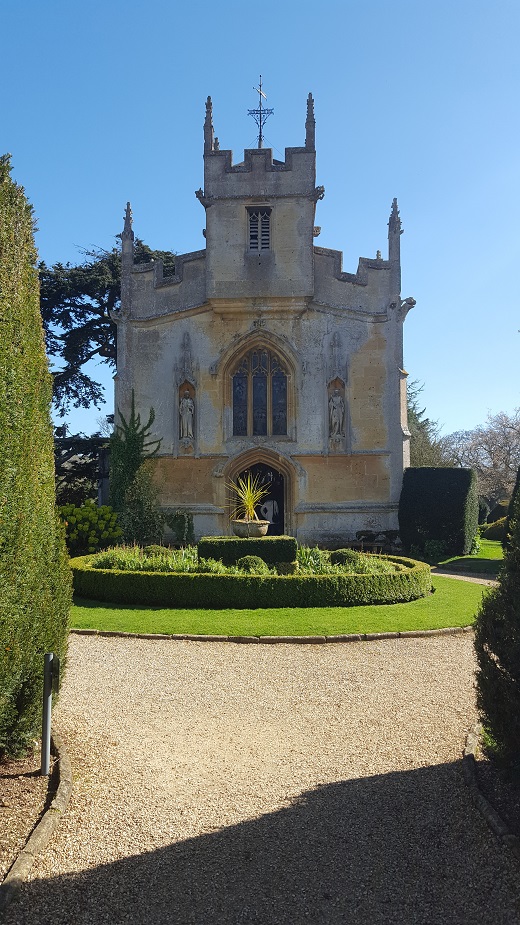
One of the most notable buildings at Sudeley Castle is St. Mary’s Church. After sitting in ruins as a result of the Civil War, similar to the Great Tithe Barn, St. Mary’s Church was restored between 1855 and 1863. Inside it contains the marble tomb of Queen Katherine Parr, and this is where Katherine and and her companion, Lady Jane Grey, would have gone for their daily prayers when she was alive. It’s unique in that it is both the chapel of Sudeley Castle and a parish church in its own right. It is bordered by the White Garden, which in the summer months showcases white peonies, roses, and tulips.
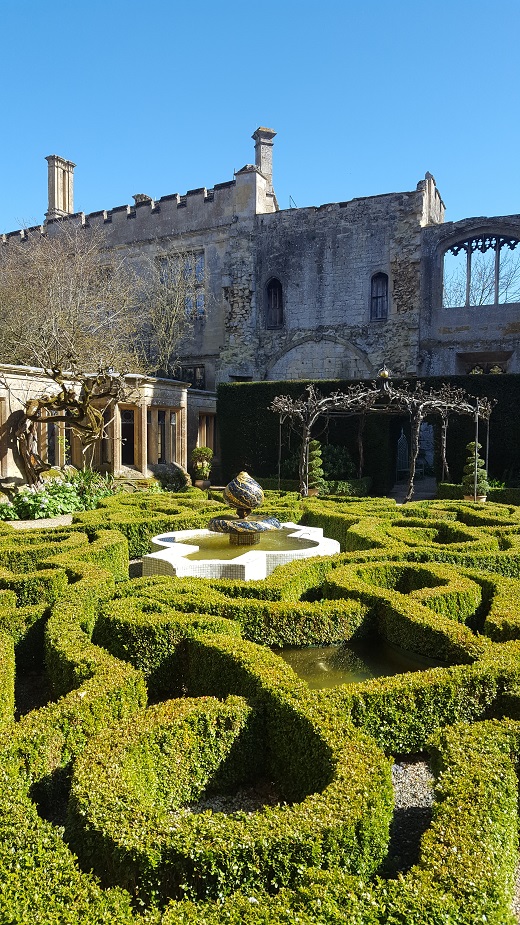
Knot Garden at Sudeley Castle
One of my favourite gardens to photograph was the Knot Garden. I love gardens that are well-maintained and loved, and the hedges in this section were perfectly shaped! Within this courtyard there’s 1,200 box hedges which form an intricate geometric design. The design is based on a patterned dress worn by Elizabeth I in a famous portrait, The Allegory of the Tudor Succession, which hangs within the castle.

Secret Garden at Sudeley Castle
The Secret Garden is a lovely spot that is slightly sheltered with walls either side of it, hence giving it a more intimate and “secret” feeling to it. The current owner, Lady Ashcombe, had the garden re-planted in 1979 as a celebration of her marriage to Lord Ashcombe. It houses four 18th century cherub-like garden ornaments from the late Lord Ashcombe’s own garden.
When Lady Ashcombe’s son got married in 1998, it was re-planted again to give a more modern feel, with over 2,500 vibrant tulips. It was a little early in the year when I visited for them to be in full bloom but you can see some coming up in this photo in the left flowerbed.

You might be surprised to come across one of the largest public collections of endangered pheasants in the world in the gardens! Sudeley Castle works closely with the World Pheasant Association, and a pheasantry has been operating at the castle for over 30 years. It’s part of a wider breeding program which has been set up in the hope of increasing the numbers of critically endangered birds before hopefully reintroducing them into their natural habitats. I tried my best to get some pictures of the birds but they all turned their back to me as soon as the camera was out!
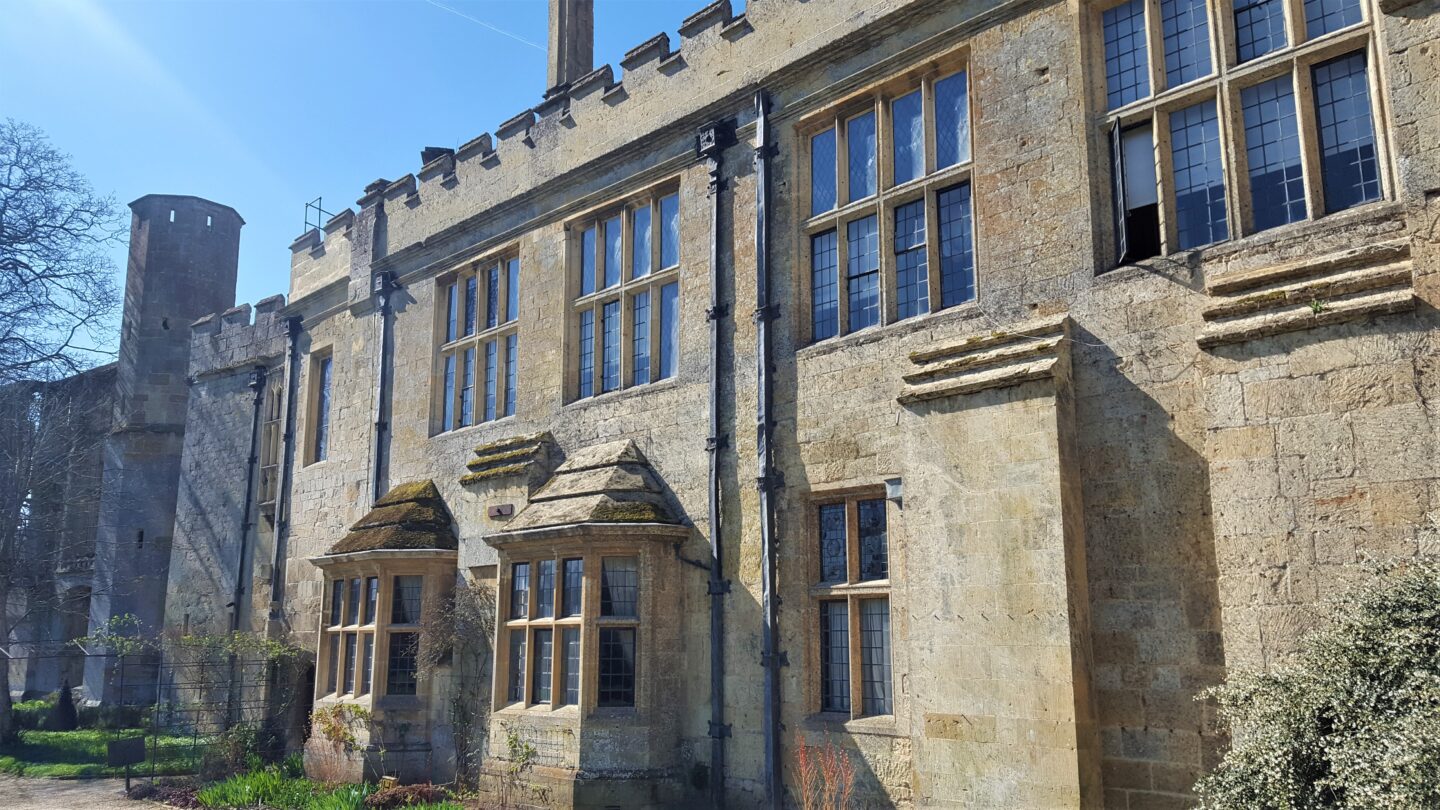
All in all, Sudeley Castle and Gardens are a must-visit for anyone visiting the Cotswolds, particularly for those who love history, horticulture or even pheasants! With its stunning architecture, rich history, and beautiful gardens, it offers a glimpse into the past and a chance to experience the beauty of rural England.
I visited in March on a lovely day and it wasn’t busy at all. If you want colourful flower shots, I’d suggest waiting until later in the year when the flowers are in full bloom, however it is likely to be much busier. Summer is also when the majority of outdoor events, including concerts, plays, and garden parties occur so it’s worth checking the Sudeley Castle website in advance to try find a date which fits your needs.
Sudeley Castle FAQs (2026)
No, Sudeley Castle is a privately owned residence. It is not part of the National Trust or English Heritage. However, it is a member of Historic Houses, and members of that association can often visit for free.
The final resting place of Henry VIII’s sixth wife is in St Mary’s Church, located within the castle grounds. Her ornate 19th-century marble tomb is one of the most visited sites in the Cotswolds. The church itself is a masterpiece of 15th-century architecture and is included in your general admission ticket.
Dogs are not permitted within the castle, the formal gardens, or the grounds. This is to protect the rare-breed pheasants and the delicate displays. However, well-behaved dogs are welcome in the Visitor Centre and the Pavilion Café.
Sudeley is home to one of the largest and most important collections of rare and endangered pheasants in the world. You can walk through the 15 aviaries to see species like the Edward’s Pheasant and the Lady Amherst Pheasant. It’s a unique feature that sets Sudeley apart from other Cotswold manor houses.
Yes! While Sudeley is the private home of Lady Ashcombe and her family, they open the “East Wing” to the public. These rooms house the Sudeley Exhibition, which includes incredible Tudor artifacts, including Katherine Parr’s love letters and rare portraits. However, some areas are kept private, which only adds to the “lived-in” charm of the castle.
Yes, there is ample, free, and accessible parking located directly next to the Visitor Centre.

Sophie is a freelance writer and editor, and the founder of Britain and Beyond.
