Kotor at a glance:
Travel time: Around 2hrs 45mins direct flight from London. Also a popular European cruise destination.
Vibe: Historic, laid-back, charming.
Top must-see: Kotor Old Town.
Best for: Photographers, history lovers, anyone seeking a slower-paced Mediterranean destination.
A dream destination for photography lovers, there are some seriously beautiful photo spots in Kotor, Montenegro. It has a bit of everything – a historic old town, beautiful marina, and a dramatic mountain backdrop. Not to mention the entire town is UNESCO-listed! To help you fill your Instagram with stunning shots, here’s some of my best photo spots in Kotor.

Kotor City Walls
You have to get several snaps of these walls on your trip as they are such an epic part of Kotor’s history. Pictured is the Kampana Bastion, one of the most photogenic and easily accessible flat sections of the lower walls.
Unlike standard medieval fortifications that simply encircle a town, Kotor’s massive defensive walls impressively travel up the sheer, rocky cliffs of Mount San Giovanni.
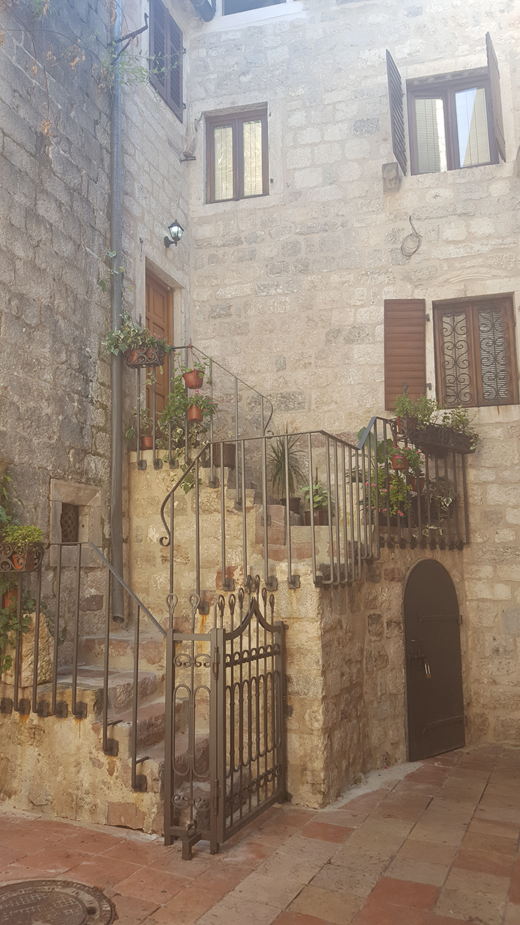
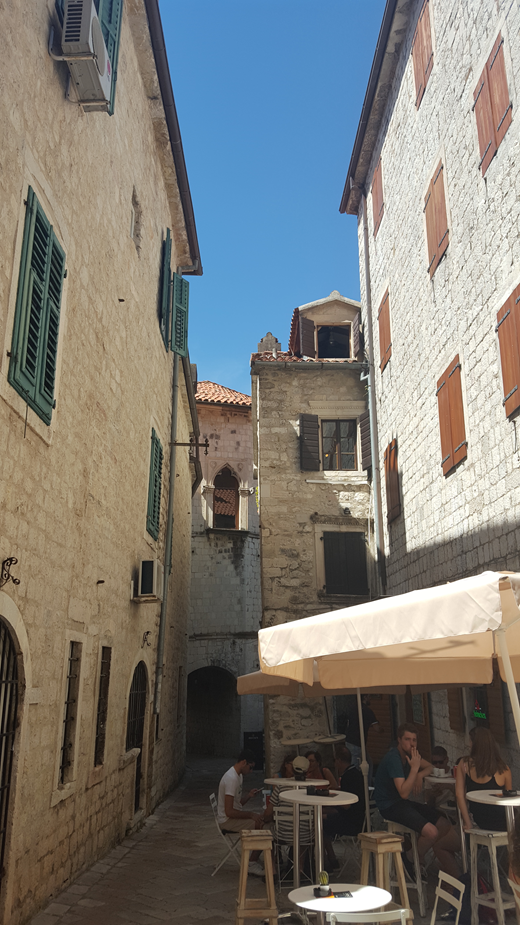
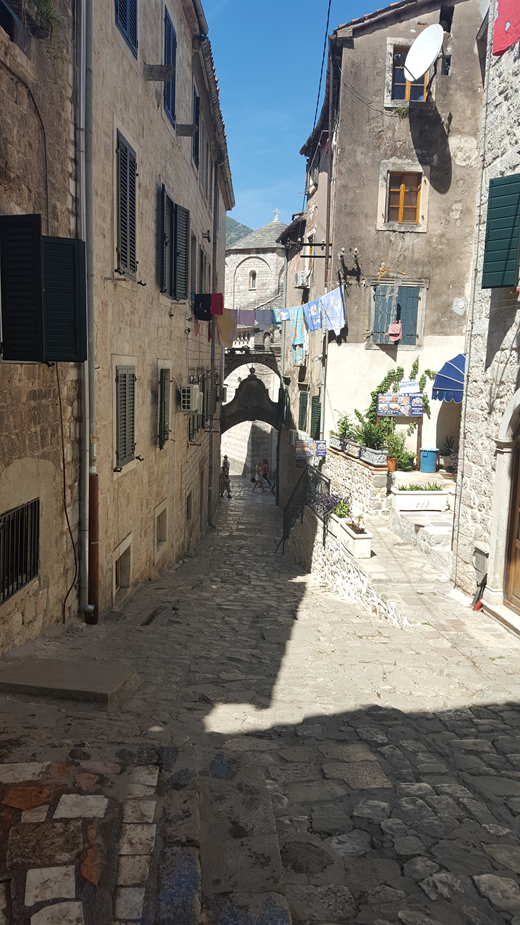
Kotor Old Town
Kotor is defined by its incredibly well-preserved medieval Old Town (Stari Grad), which was built between the 12th and 14th centuries.
It’s a pedestrian-only area, filled with cobbled streets, historic stone facades, and wooden shutters. It’s famous for its high concentration of Romanesque churches (such as the 12th-century Saint Tryphon Cathedral).
It’s easy to get lost in the alleyways of the Old Town but that’s all part of the fun, and often is how you’ll stumble upon some great shots. This was personally my highlight in terms of best photo spots in Kotor as you never know what’s around each corner.
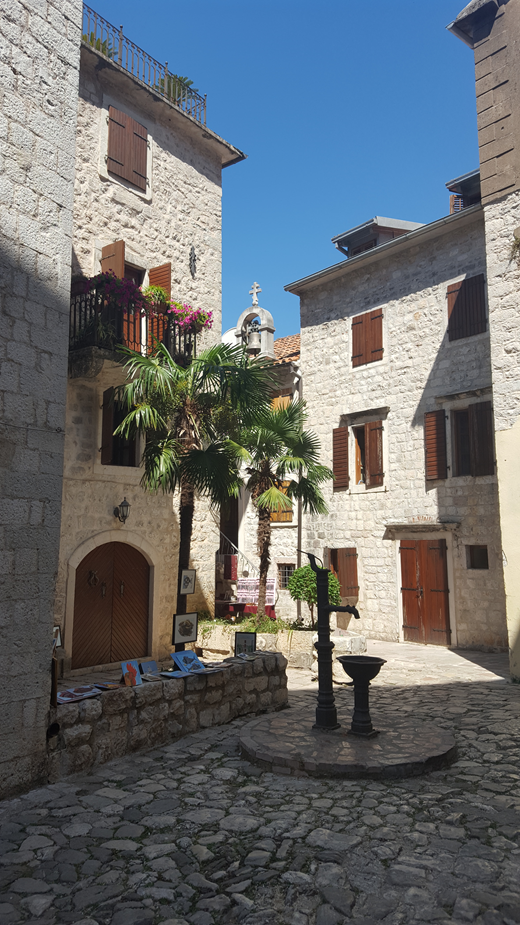
Karampana Water Pump
During the medieval era, this pump in the Old Town was the only source of fresh drinking water. Made with iron by local artisans, this would have been the social hub of the town where local women would gather to fetch water and share gossip. Situated on a charming, small cobblestone square, it is really quaint and photo-worthy.
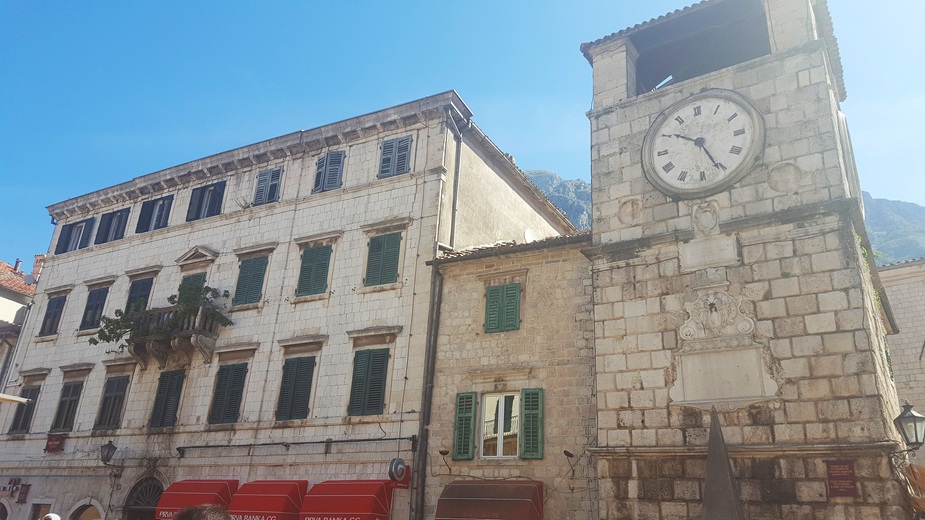
Arms Square (Trg od Oružja)
Arms Square (Trg od Oružja) is the largest public square in the town. The key feature is the 17th-century Baroque Clock Tower. This is an ideal spot to grab an outdoor table at one of the cafes, enjoy a drink, and take shots that capture both the historic clock and the vibrant cafe culture.
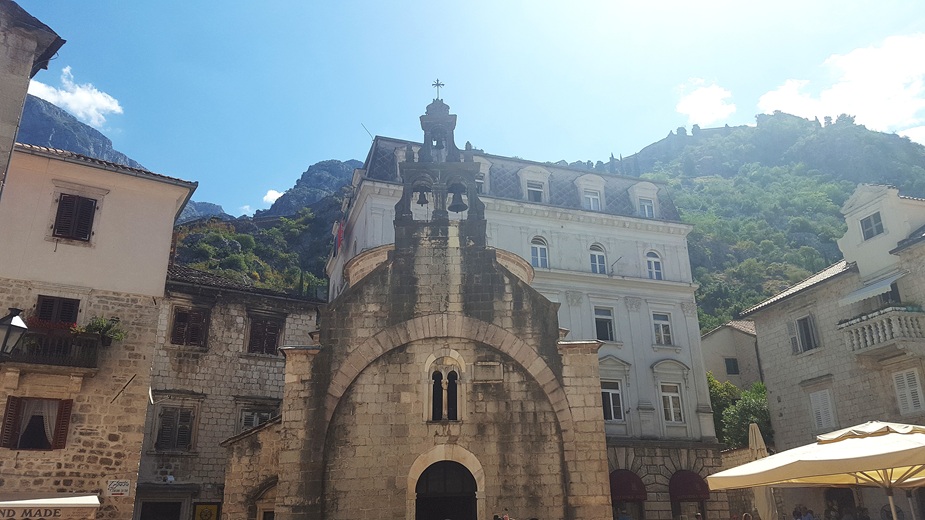
Saint Luke’s Church
Saint Luke’s Church, built in 1195, is one of the region’s most significant landmarks. It has survived centuries of regional conflict and devastating earthquakes – including a catastrophic earthquake in 1979 – remaining largely intact while surrounding buildings fell.
Its most defining chapter occurred between 1657 and 1812 when a large influx of Orthodox Christians sought refuge in Kotor. Because there was no Orthodox church within the city walls, the local authorities allowed the Orthodox population to share Saint Luke’s. For over a century and a half, the church featured two distinct altars – one Catholic and one Orthodox – with services alternating between the two faiths. With religion causing so much divisiveness in the world at present, I found this to be really lovely.
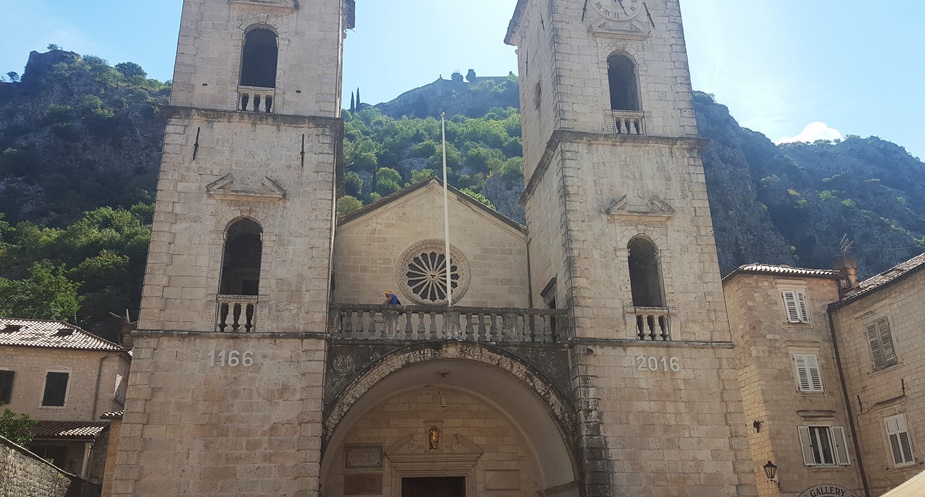
Cathedral of Saint Tryphon
The cathedral was built to house the sacred relics of Saint Tryphon, the patron saint and protector of Kotor. Unlike Saint Luke’s, the cathedral has been severely tested by nature. It suffered catastrophic damage during major earthquakes in 1563, 1667, and 1979. Each reconstruction period introduced new architectural styles into the original medieval framework. The mountain backdrop makes this place look even more impressive.
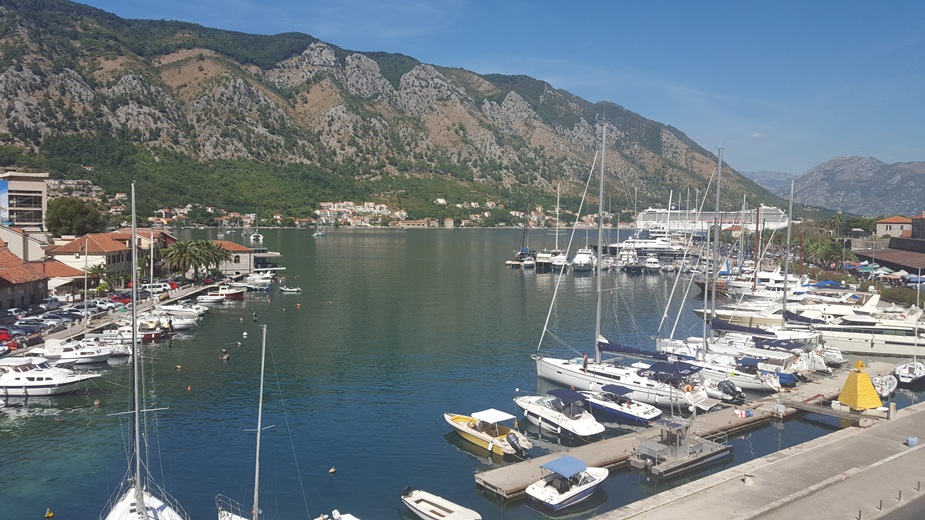
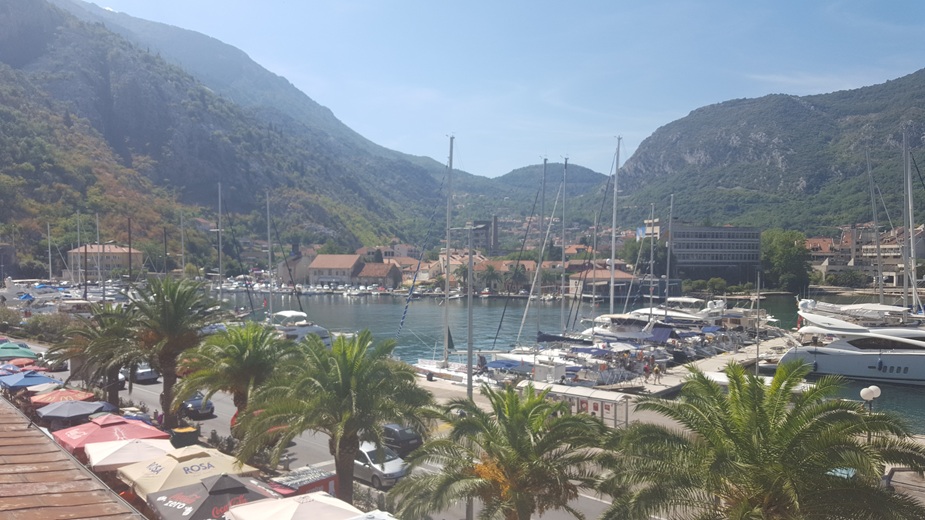
Kotor Marina
Located just outside the defensive stone walls, Kotor Marina offers a brilliant change of pace for your camera lens. You’ll find a unique combination of sleek modern yachts and traditional wooden fishing boats sitting side-by-side. Kotor’s distinctive blue-green coloured water is due to it being mineral-rich, altering the water’s chemical composition and refracting sunlight differently than pure saltwater. It makes for some fantastic photos.

Our Lady of the Rocks
While technically located just off the coast of nearby Perast, no trip to Kotor is complete without seeing Our Lady of the Rocks. The unique artificial island is filled with trees and home to a blue-domed church. It looks surreal sitting out in the middle of the open water.
According to old legend, the island was created after two local fishermen found an icon of the Virgin Mary on a sea crag in July 1452. Taking it as a divine sign, local sailors swore an oath to build an island and a church on that exact spot. For centuries, whenever a ship returned safely from a voyage, sailors would drop a rock at the site or sink old vessels filled with stones, eventually raising the island out of the sea
As I visited Kotor as part of a cruise, I was able to take these incredible higher-angle shots from our ship as we sailed past. However, you can also take a standard boat trip directly to the island.
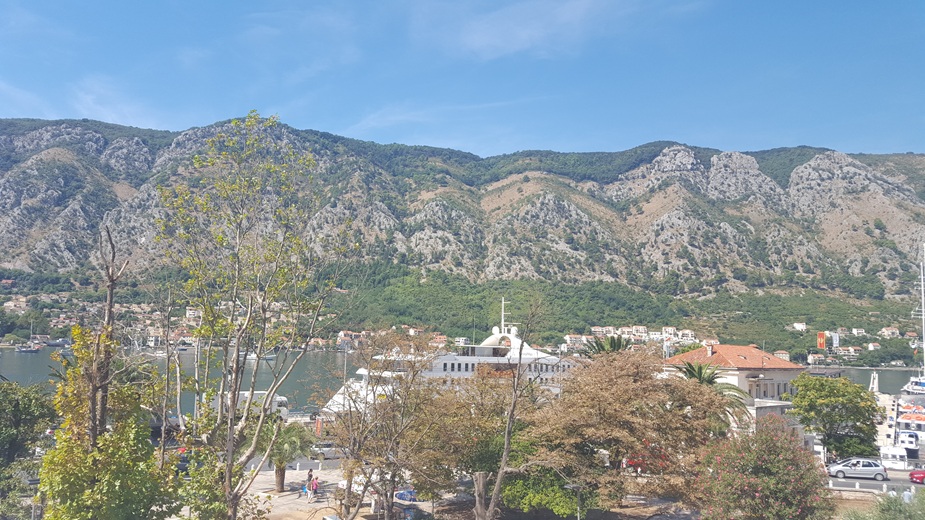
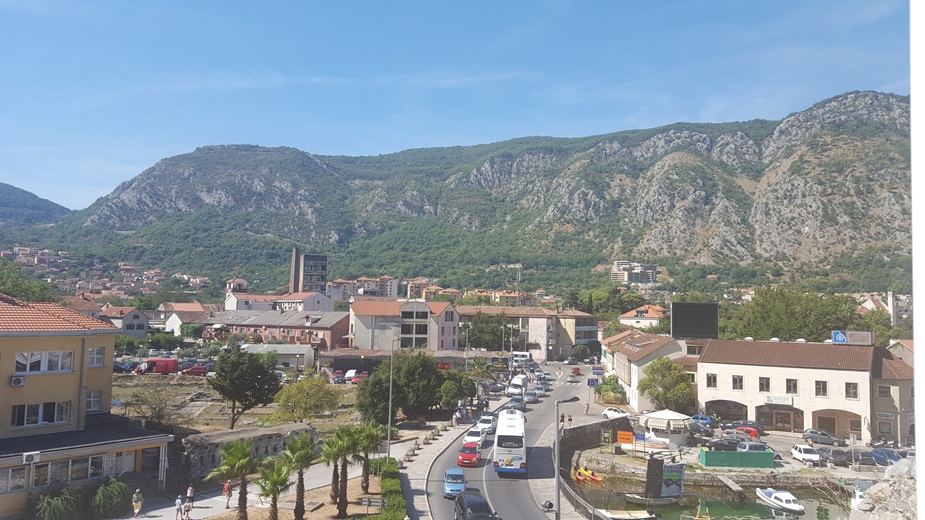
Mount San Giovanni
You can’t really avoid the mountains getting in your shots anyway, but there are definitely some spots where they are the star of the show! You can walk up the mountain to San Giovanni Fortress where you’ll get far reaching views over Kotor bay and the Old Town. Unfortunately we didn’t have time for this as we were on a strict cruise schedule (it was on this cruise that I also visited the historic town of Taormina). If you have a bit more time and are able to do the climb I’d recommend looking into it as you’d definitely get some great photos.
Have you been to Kotor before? Let me know in the comments!
Kotor, Montenegro FAQs (2026)
Kotor is best known for its UNESCO-listed medieval Old Town, dramatic mountain scenery, and the stunning Bay of Kotor.
Yes, it often is visited by cruise ships for the day (as was the case with my visit!). Kotor is reasonably small so you can see a lot in a day but if you’re not restricted to 24hrs, then staying a bit longer means you can fit in the fortress walk without rushing, and can enjoy dining by the waterside at night time.
Kotor is generally more affordable than many Mediterranean destinations, although prices can rise significantly during the peak summer season.
Montenegro uses the Euro (€), despite not being a member of the European Union.
Kotor is considered a very safe destination, with low levels of crime and a welcoming atmosphere for international visitors.
July and August are peak months, bringing warm weather, cruise passengers, and a lively atmosphere throughout the town. The couple of months either side of this still have pleasant temperatures and are less busier.

Sophie is a freelance writer and editor, and the founder of Britain and Beyond.
